




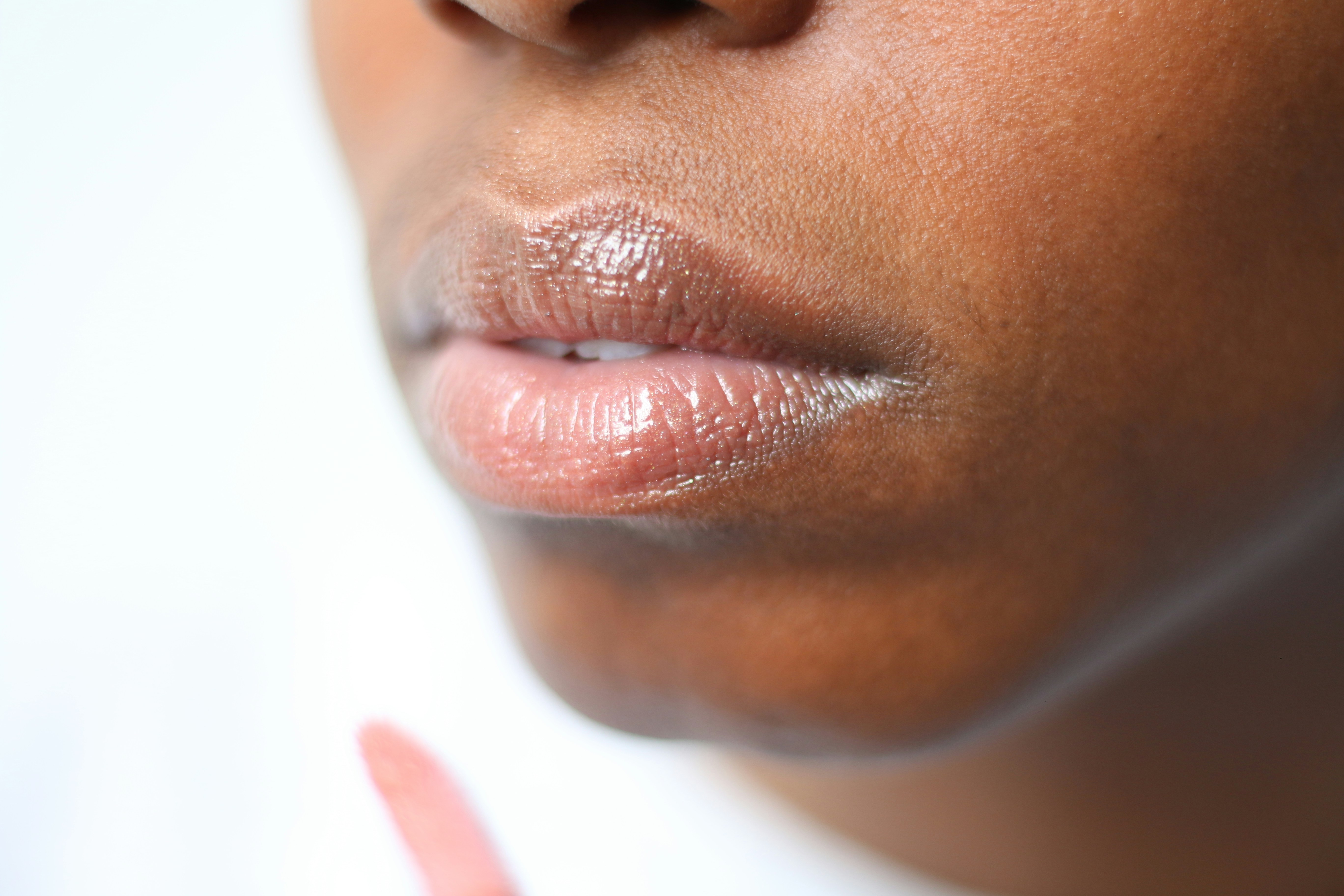
Understanding Moisturizing Lipsticks
Moisturizing lipsticks have carved out a distinctive niche in the cosmetics market, primarily due to their formulation, which incorporates hydrating ingredients aimed at maintaining the moisture balance of the lips. Unlike traditional lipsticks, which may prioritize pigmentation over hydration, moisturizing lipsticks blend color with skincare benefits, resulting in a product that enhances both the appearance and health of the lips.
The primary objective of moisturizing lipsticks is to combat dryness and provide a comfortable wear. This is particularly important, as lips tend to lose moisture more quickly than other areas of skin, often resulting in chapped and cracked surfaces. By using a moisturizing lipstick, consumers can help to prevent these issues while also adding a pop of color to their makeup routine.
<ptypically, a="" against="" also="" and="" antioxidants,="" are="" as="" barrier="" but="" butter,="" by="" can="" caused="" coconut="" components="" create="" damage="" e,="" environmental="" factors.="" fend="" formulated="" free="" further="" health.<popting a="" added="" aesthetic="" aimed="" aligns="" also="" and="" appearance="" as="" at="" be="" beneficial="" benefits="" but="" can="" choice="" climates="" colder="" color="" drying.="" due="" during="" enhanced="" especially="" expect="" for="" harsher="" healthy="" holistic="" hydration.="" improved="" in="" is="" lips.Key Ingredients that Promote Moisture
When selecting a moisturizing lipstick, it is essential to understand the beneficial ingredients that contribute to lip hydration and overall lip health. Ingredients such as shea butter, coconut oil, and vitamin E are commonly found in high-quality moisturizing lipsticks. These components not only enhance the aesthetic appeal of the product but also significantly improve the condition of the lips.
Shea butter is a highly regarded ingredient known for its exceptional moisturizing properties. Derived from the nuts of the shea tree, this natural fat contains fatty acids and vitamins that nourish the skin. It acts as an emollient, providing a creamy texture that helps seal moisture into the lips, preventing dryness and promoting smoothness. Furthermore, shea butter offers a protective barrier against environmental stressors, making it an ideal component in a moisturizing lipstick formulation.
Coconut oil is another ingredient worthy of attention in moisturizing lipsticks. Rich in medium-chain fatty acids, coconut oil possesses natural anti-inflammatory and antibacterial properties. This ingredient not only hydrates but also helps to soothe chapped lips. It absorbs quickly into the skin, providing immediate moisture relief and enhancing the overall comfort of lip products. Moreover, its natural shine contributes to a lustrous finish, elevating the lipstick’s visual impact.
Vitamin E is a powerful antioxidant included in many moisturizing lipsticks. This vitamin plays a crucial role in protecting the lips from damaging free radicals and oxidative stress. Its moisturizing capabilities help to enhance the skin’s barrier function, ensuring that lips remain hydrated. By incorporating vitamin E into their formulations, cosmetic brands demonstrate their commitment to providing products that nourish and protect the delicate skin of the lips.
Recognizing lipsticks that highlight these effective ingredients can significantly aid in selecting products that promote lip health. Ingredient transparency on product labels is also paramount, allowing consumers to make informed choices based on their individual needs and preferences.
Ingredients to Avoid in Moisturizing Lipsticks
When selecting a moisturizing lipstick, it is essential to be cautious about certain ingredients that may compromise lip health rather than enhance it. Although many lip products are marketed as hydrating, they can contain additives that may lead to undesirable effects like dryness, irritation, or allergic reactions. By being informed about harmful ingredients, consumers can make better choices and avoid products that may cause harm.
One commonly found offender is parabens, which are often used as preservatives in cosmetics. Studies indicate that parabens can disrupt hormonal balance and may lead to skin irritation. Therefore, opting for parabens-free lipsticks can help reduce the risk of adverse reactions while still providing moisture to the lips.
Another ingredient to steer clear of is artificial fragrances. While they may provide a pleasant scent, these synthetic additives can often trigger allergic reactions or sensitivities, leading to discomfort and irritation. Choosing fragrance-free products allows for safer use, especially for individuals with sensitive skin or allergies.
Certain types of alcohol are also prevalent in lipsticks, especially those claiming to provide a glossy finish. While some alcohols can have a drying effect, it’s important to differentiate between beneficial fatty alcohols and detrimental types. Avoiding products with simple alcohols like ethanol or isopropyl can help maintain lip moisture, preventing the drying sensation that many consumers experience.
In conclusion, being vigilant about the ingredient list when purchasing moisturizing lipsticks is crucial in ensuring lip health. By avoiding parabens, artificial fragrances, and harsh alcohols, consumers can select safer products that genuinely nourish and hydrate their lips. Taking the time to scrutinize labels enables individuals to make more informed decisions that align with their skincare needs.
Tips for Choosing the Right Moisturizing Lipstick
Selecting the appropriate moisturizing lipstick involves several key considerations that take personal preferences and specific needs into account. One of the primary factors to consider is skin sensitivity. Individuals with sensitive skin or allergies should seek products that are specifically labeled hypoallergenic or suitable for sensitive skin. Ingredients such as fragrances and certain preservatives can exacerbate sensitivities, so always review the ingredient list carefully.
Color options are another significant aspect. It is essential to choose shades that complement your skin tone and fit your style. While testing color, keep in mind that lipstick can appear differently based on lighting conditions, so try to assess the shade in a natural light setting whenever possible. Additionally, thinking about the intended use—be it for everyday wear or special occasions—will help in narrowing down the selection.
The texture of the lipstick also plays a vital role in comfort and wearability. Matting, glossiness, and creaminess can vary, so explore different formulations to find one that aligns with your personal preference. A moisturizing lipstick that feels comfortable on the lips while providing hydration is ideal for long-term use. Consider products enriched with beneficial oils, vitamins, and antioxidants, which not only enhance wear but also contribute to overall lip health.
Furthermore, budget considerations cannot be overlooked. Moisturizing lipsticks are available across a wide price range, from budget-friendly to high-end options. Consideration of how often you intend to use the lipstick can help justify spending more on a product deemed necessary. Before making a purchase, it is advisable to conduct thorough testing. Patch testing the product on your skin—or swatching lipsticks on your hand—can help identify potential reactions. Consulting beauty reviews can also provide insight into product performance and longevity, aiding in a well-rounded decision.
