




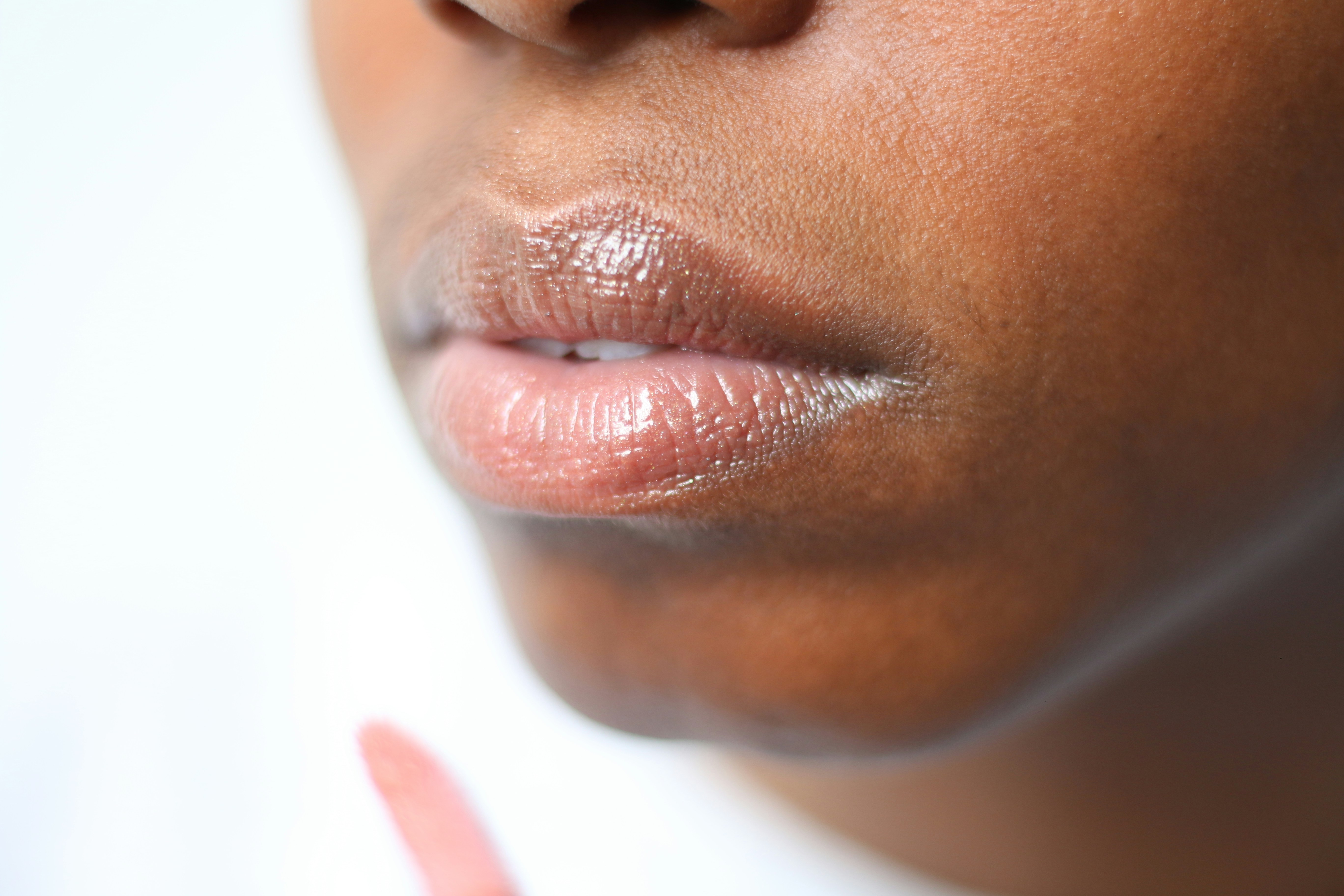
Introduction to Dry Lips
Dry lips, often characterized by a lack of moisture, a rough texture, and visible cracking, represent a common dermatological condition affecting individuals of all ages. Unlike normal lips, which are typically smooth and well-hydrated, dry lips can appear chapped, flaky, and, at times, painful. The manifestation of dry lips can vary in severity, from minor discomfort to more significant issues requiring medical attention. Understanding the physical characteristics of dry lips is crucial in recognizing the condition and identifying appropriate treatment methods.
Several factors contribute to the prevalence of dry lips. Environmental conditions, such as low humidity, extreme temperatures, and wind exposure, can strip the natural oils from the lips, leading to desiccation. Additionally, habits such as lip licking, excessive sun exposure, and the usage of certain cosmetics can exacerbate lip dryness. Certain health conditions, including dehydration, allergies, and skin disorders like eczema or psoriasis, may also play a pivotal role in the development of dry lips. Consequently, it is essential to acknowledge dry lips not merely as a cosmetic concern but as a potential indicator of underlying health issues.
Recognizing the symptoms of dry lips, such as persistent peeling, soreness, and inflammation, is integral to seeking effective treatment. While dry lips may initially seem trivial, they can significantly impact a person’s comfort and social interactions. Therefore, addressing dry lips through proper hydration, protective barriers, and topical treatments is vital. These interventions can alleviate discomfort and restore normal lip texture, ultimately enhancing overall well-being. In essence, understanding dry lips serves as the first step towards identifying its numerous causes and seeking appropriate solutions to mitigate this common issue.
Environmental Factors Contributing to Dry Lips
Dry lips can be a common nuisance for many individuals, often exacerbated by various environmental factors. Extreme weather conditions play a significant role in the health of our lips. In colder months, biting wind and low temperatures can strip moisture from the delicate skin of the lips, leading to chapping and discomfort. Conversely, hot weather can also be detrimental, especially when combined with strong winds or low humidity levels, which can cause the skin to dry out rapidly.
Low humidity environments, both outdoors and indoors, significantly contribute to the prevalence of dry lips. During winter, the air tends to lose moisture, making it crucial to implement strategies to protect the lips. In particular, the combination of cold air outside and heated indoor spaces can create a harsh environment for the skin, resulting in cracked and irritated lips. Additionally, air conditioning units can dehydrate the air, further exacerbating the condition.
Protection strategies are vital for maintaining lip hydration throughout different weather scenarios. When venturing outside in cold conditions, individuals should consider wearing a scarf to shield lips from wind exposure. In hot climates, using a lip balm with sun protection factor (SPF) is recommended to guard against sunburn, which can lead to drying and peeling. It is equally important to stay hydrated by drinking plenty of water, as this internal moisture helps combat external drying factors.
Ultimately, understanding how environmental factors contribute to dry lips is the first step in acknowledging the importance of proactive measures. By taking care to shield the lips from harmful weather conditions and maintaining adequate hydration, individuals can mitigate the effects of environmental challenges on lip health.
Health-Related Causes of Dry Lips
Dry lips can often be attributed to various health-related causes that extend beyond environmental factors. One common cause is dehydration, which occurs when the body loses more fluids than it takes in. This deficit can lead to dryness in various parts of the body, including the lips. When dehydrated, the body prioritizes moisture retention in essential organs, thereby reducing hydration in areas such as the skin and lips. Symptoms accompanying this condition may include a dry mouth, fatigue, and increased thirst.
Allergic reactions can also play a significant role in the development of dry lips. These reactions could stem from various sources, including cosmetics, food, or environmental allergens. The introduction of irritants can lead to inflammation of the lip tissues, resulting in dryness, redness, and peeling. If allergic reactions are suspected, it may be beneficial to monitor the introduction of new products or foods into one’s routine and consult a healthcare professional for further evaluation.
Furthermore, vitamin deficiencies, particularly vitamins B and E, can contribute to lip dryness. Vitamin B deficiency can lead to inflammatory conditions known as cheilitis, which manifests as red, cracked, and painful lips. Vitamin E deficiency, on the other hand, may result in compromised skin integrity, rendering the lips more susceptible to dryness and irritation. As both vitamins play crucial roles in maintaining skin health, ensuring an adequate intake through diet or supplements is vital.
Certain medical conditions, such as hypothyroidism and diabetes, may also be implicated in the occurrence of dry lips. Hypothyroidism can lead to decreased metabolic activity, affecting skin hydration levels, while diabetes often causes fluctuations in blood sugar levels, which can dry out the skin and lips. If dry lips persist, individuals are encouraged to seek medical advice to identify underlying health issues that may require attention.
Preventive Measures and Treatments for Dry Lips
Dry lips can be a common yet uncomfortable condition caused by various factors, including environmental elements and individual habits. To prevent and treat dry lips effectively, it is essential to adopt a comprehensive approach that combines hydration, appropriate products, and lifestyle changes.
One of the most basic yet effective methods to maintain lip moisture is through consistent hydration. Drinking an adequate amount of water daily aids in keeping the body, including the lips, hydrated. Additionally, consider using a good quality lip balm, particularly one that contains ingredients such as beeswax, shea butter, or petrolatum. These ingredients create a protective barrier that locks in moisture and prevents the lips from drying out.
For those seeking natural remedies, options such as coconut oil and honey are highly regarded for their moisturizing properties. Coconut oil not only hydrates but also has antimicrobial properties that can help protect the lips from infections. Honey, renowned for its natural humectant characteristics, draws moisture into the lips and is helpful for healing cracked skin. Applying these substances regularly can enhance lip health over time.
Moreover, adjusting certain habits can significantly reduce the likelihood of dry lips. It is advisable to avoid licking the lips, as saliva can lead to further dryness. Additionally, be cautious with lip products containing irritants or allergens, as they may exacerbate discomfort. A balanced diet rich in vitamins A, C, and E can also contribute to skin health, including the delicate skin of the lips.
In essence, adopting these preventive measures and treatments can facilitate the maintenance of healthy, hydrated lips while minimizing the risk of dryness. Through mindful hydration, the use of protective products, and sensible lifestyle choices, the occurrence of dry lips can be effectively managed.
